Categories
News

Dairy Seminar January 2016

We had a great response and turnout to the latest Dairy seminar held in Templeglantine at the Devon inn.

The speaker for this event was Des Cronin from Inform Nutrition. Des is a well respected nutritionist with 25 years experience in Ruminant Animal Nutrition all over the world.  Here is a brief synopsis of the discussion.

“The only thing worse than a poor price is poor output” Des started the talk outlining several ways that farmers that he dealt with still managed to make decent profits last year despite the poor milk price. These broadly revolved around keeping cows intakes up and in cases where grass intakes were restricted by supplementing correct levels of feed to maintain the energy balance.

He was concerned that people are so used to producing low cost milk that they are failing to change their business model to “Profit per cow” or “Profit per acre”. We have had 30 years of being told to feed cows one way that worked well but that system is not setting farmers up to make real profits in a non quota situation.

A key factor in determining the output potential of the cow is how we manage her nutrition in early lactation.  Early Lactation feeding influences how the cow performs long term, not just in milk and solids yield but also in body condition loss and crucially in reproduction.

Think back to the last Fodder crisis. We had the worst quality silage on record, the least amount of it, a very wet spring where cows were kept indoors and yet we produced huge volumes of milk and solids and cows went in calf with ease. Why?? Because farmers were forced to feed cows a high concentrate diet in early lactation. That was the key to getting the cow to peak yield fast after calving and keeping her there for longer. This set the cow up to manage to produce large volumes of milk at grass when she eventually got out. Indeed most farmers had to dry off early because they were over quota!

Lets consider the basics of balancing a cows intake to her milk yield.

A 27 litre (6 Gallon) cow.

What does she need?

1 UFl is a unit of energy in a diet based on Barley. 1kg barley is 1UFL.

5kgs Dry matter of Silage  is 0.75 UFL

1kg of concentrate is 0.95 UFL.

What does she need?

Maintenence to keep her alive 5 UFL’s

27 litres of milk 11.6 UFLs

Total 16.6 UFLs


How can we get 16.6 UFLs into her to maintain this level of output?

Concentrate 7.5 kgs is 7.1 UFLs

Silage 10kgs dry matter is 7.5 UFLs

Body condition loss 0.5 kgs per day 2 UFLs

Total 16.6 UFLs

Cost €3.10 per day or 11.5 cent per litre of milk.


Consider another scenario….

Concentrate at 5kgs 4.5UFLs

Silage at 10kgs dry matter 7.5UFL’s

Body Condition loss 1kg per day 4 UFLs

Total 16 UFLs to produce the 27 litres of milk but she is losing a lot of body condition that will cost a lot to recover and will inhibit her reproduction.

Cost €2.74 per day or 10 cents per litre of milk. Just a 1.5 cents per litre extra cost and the cow will hold her body condition better and should breed more successfully and faster. Whats the big deal if she milks off her back i hear you ask? Well it will take her a long time on grass to put that condition back on and the energy she has to use would be 4 times more efficient at producing milk at grass rather than body condition.

Who thinks the first cow is the cow that will leave more profit at the end of the year? She might cost more at the start but we have to start taking a longer term view on the whole lactation.


Des also gave another example of 2 farmers he deals with.

Farmer A

Milks 8200 litres per cow on average last year.

Costs in (Dry matter)

Concentrate 1.2 tons €336

Silage 1.7 ton Dry matter €170

Grass €88

Total cost €594


Farmer B

Milks 5100 litres on average per cow.

Costs (Dry Matter)

Concentrate 0.55 ton €154

Silage 1.7 tons Dry Matter €170

Grass €69

Total cost €393


Farmer B is a great lad to keep costs down. But Farmer A has gotten 3100 litres extra for €201 feed cost!! He has done this by feeding well in early lactation and matching feed to grazing conditions. If he was starting to run tight on grass he fed a little more rather than starve the cows. He also grazes 48 hour blocks so he is only forcing the cows to eat the low quality grass once every two days where Farmer B’s cows are on 12 hour blocks and are forced to clean up the paddock every grazing and so he is restricting their intake. Farmer B was asked why not feed 48 hour blocks and his answer was simple ” I’ll run out of grass in a fortnight!!” He has missed the point that he is holding his cows potential back by not giving them enough to eat, both in terms of grass and feed. That was fine when he was producing low cost milk to fill his quota but now he has no quota so he is just shooting himself in the foot by holding the cows back.

We had a good discussion from the floor throughout this seminar and thank you to those that attended and also to Des Cronin and the Devon Inn for hosting the event.

Keep an eye on the website for upcoming events and feel free to call 061 355186 for any feed enquiries that you may have.

Paul O’Connell
Categories
News

Crecora Mills continues to go green!

Here at Crecora Mills we continue to strive to operate our business in the most environmentally aware manner. Being farmers ourselves and having a close association with the land means we continue to look for better, cleaner and more efficient ways to make high quality animal feeds for our customers.

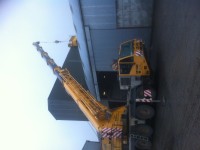
After a long design and planning process we are delighted to be soon begining work on a new Gas fired steam boiler system at our flagship manufacturing plant in Castlemahon to replace the older Fuel/oil powered steam boiler that was part of the old Castlemahon food products factory.

The new system promises to be a lot cleaner and greener for the environment it will also be more efficient and able to produce better quality steam to use in the pellet manufacturing process.

As always we only mix with the best!

Categories
News

Low Milk Price Case Study

Final_O'Connell's Crecora Mills_Logo

Here at Crecora Mills we are getting lots of questions on farms as to what dairy farmers options are at the moment.

Lets look at an average Case study of a Herd of 100 cows.

We will assume that calving will be starting in early January and running on into late March.

Option 1. Dry off all cows on November 1st

Option 2 Dry off all cows in December 1st

Option 3 Dry off the 60 cows on December 1st that will calve early and keep 40 late calving cows milking till Jan.

Option 1 Dry off all cows on November 1st.

Note: Zero dairy income after November.

“Sure there is no point milking on at this level is there?”

“I’ve never done it before because I was always over quota”.

The advantages:

  • A little less work although he will still have to feed silage, clean out sheds and all other farm work etc.
  • He is sick of being paid a low milk price all year and wants to throw his hat at it. All the neighbours are talking about drying off, doom and gloom prevail.

The disadvantages:

  • The Milk cheque stops coming in.
  • Reduced Cashflow.
  • Some cows facing into a 4 month dry period that will result in fat cows and difficult calving and Vet bills.
  • They will still have to be fed and looked after.

Option 2 Dry off all cows on December 1st.

” I need a break from Milking”

“Sure it wont pay me to keep milking now on small volumes.”

Assuming cows milking only 14 litres at high milk solids probably 30 cent per litre. 100 cows will milk €12,600 worth of milk. Assuming a feed level of high quality Crecora Mills feed at 5kg per cow for the month of November at €250 euro per ton( or less depending on what feed you select from Crecora Mills) means it will cost €3,750 in feed.

That’s a Minimum profit in 30 days of €8,850 over farmer who dried off in November. (He could well afford to get a relief milker in for November if he needed a break)

The advantages:

  •  The farmer gets a 2 month break from milking but all other farm work has to be done.
  • The cows that are due to calve early will be dried off in good body condition

The disadvantages:

  • Reduced cashflow as the milk cheque stops coming in after December.
  • Some cows will not be due to calve till March get a 4 month dry period
  • Fat later calving cows will be almost guaranteed to cause expensive problems at calving.
  • Cows still have to be fed silage and minerals.

Option 3 Dry off 60 Early calvers in December and keep late calving cows milking till January

“The milk cheque might be small but it is keeping the whole show going”

“Sure I have to be out working on the farm anyway I may as well milk along a few cows”

Disadvantages:

  • A little extra farm work, although he will still be feeding them silage. Cows have to be milked ( you could get a Farm relief milker)

Advantages.

  • Early calving cows get a decent dry period but not too long.
  • 40 Late calving cows will be on high solids and should leave at least €3500 profit after concentrate feed costs.
  • 40 late calving cows will go into calving with a shorter dry period and should be in better body condition.

These 40 cows should milk 13 litres at high milk solids (30 cent/litre) if they have been looked after all year. 40 cows in December will produce €4,836 worth of milk on 6.2 kgs of Crecora Mills feed at 5kgs feeding rate. That’s a maximum feed cost of €1550 (assuming €250 euro per ton depending on which of our feeds are used it may be considerably less) Profit from those 40 cows alone for December will be €3286 euro. The farmer could surely get a relief milker in for December to milk 40 cows if he/she needed a break from milking.

Interestingly the profit difference between the Farmer that dries off in November and the farmer that the 40 cows going till January is €12,136 for 2 months work. I know i would milk cows twice a day for that kind of money! The other often forgotten but arguably more important advantages are that the farmer can control and manage body condition better in the parlour. Less fat cows has a hugely positive effect on:

  • The ease of calving

  • Subsequent milk yield

  • Subsequent milk volume

  • Reproduction

  • Cow health

All massively crucial milestones in cow nutrition and health.

Remember to only “Mix with the Best” and use Crecora Mills Feed.

Categories
News

Why Feed Dairy Cows?

Why feed Dairy cows?

Why do we as farmers feed dairy cows concentrate instead of just using silage and grass and what do we want from Animal Feed? Surely it would be a cheaper option to just use the land we have to feed our animals and not buy any outside products?

I’d like to show you how we could make you more money and also save you money in the long term.

Lets look at it in more detail shall we?

Dairy cows have a high energy requirement to produce milk, carry a calf and maintain body condition. They have a lot of work to do and need a diet that will allow them to do these jobs well. If we do not provide all the energy that she requires she will mobilise the meat from her back to make milk and maintain her calf. While in the short term this is fine the long term effects of thin cows have huge costs associated with them.  The only way to improve a thin cow is to feed her and it costs twice as much to bring a thin cow back than it would to maintain her in the first place.

A cow on a pure grass based diet will survive fine in the short term but where will she get her balance of minerals and vitamins that she needs for long term good health? Grass is a very poor source of minerals and indeed can contain high levles of iron and molybdenum which lock up the copper in a cows diet meaning she coan become clincly deficient in copper very fast on a pure grass diet.

Grass is a fantastic source of protein and cows love to be out in the field in the fresh air with plenty of space to move around in. One of the best weapons in the Irish farmers armory is the consumers image of cows out on lush green grass and enjoying life.

Unfortunatley with Irish weather too often good grass and grazing conditions can be hard to come by. Remember cows dont eat to taste, they eat to fill their gut. Once their gut is full they must wait till they have digested their food to take in more. Here lies one of our Irish problems!

Grazing wet grass leads to the the cows gut filling without the adequate volume of dry matter to maintain her. Grazing hungry cows tight in poor grazing conditions leads to high intake of parasites, loose cows, thin cows and worse again sick cows. All of which cost a lot of money to cure along with the cost in time lost in production.

Feeding our Animal feed provides a guaranteed source of energy and protein to ensure the cow does not lose body condition. It costs at least twice as much to put body condition right as it does to maintain it so its an economic no brainer.

Feeding our Animal feed will provide the essential minerals and vitamins that a cow cannot even dream of getting on a grass based diet alone. This leads to a higher performing cow, a healthier cow and one better able to fight of sickness and disease meaning less expensive vet bills!

Feeding our Animal feed provides the cow with a balanced diet containing digestible protein and fibre to keep her Rumen working efficiently so as not to waste the valuable inputs that the farmer puts in. A cow with a balanced Rumen will digest silage and grass more efficiently and convert it to energy for use in milk production and maintaining body condition.

Feeding our animal feed even at todays high raw material prices is a far more economic alternative to buying questionable fodder for storage over the winter in the hope that it will be in good order when needed in the springtime. We all have heard the horror stories of expensive Bales of silage being bought and paid for only to discover when opened to be poorly preserved and of little or no feeding value.

Feeding our Animal feed will help ensure a healthy calf, a sucessful calving and also that the cow will be in good condition to go back in calf again. Thin cows or cows without a balanced diet will be slower to go back in calf and may miss out altogether. The cost of carrying an empty cow for a year does not bear thinking about. Ask yourself how did your breeding go last year? Most of our customers found that cows went straight back in calf with very little problems due to the fertility minerals booster we include in our Dairy feed at and before breeding. The most sucessful Breeders were those which had been getting consistent feed and minerals throughout the year. Remember a hungry cow at calving time is a weak cow and can lead to problems during calving.

Pretty much every dairy farmer has seen over this year that cow condition had been excellent due to the levels of feed all year. It would be a terrible waste for that excellent body condition to be lost now over the next few months as it will need twice as much feed to regain it in the spring.


Contact us for more info and help in planning your feed requirements over the winter.

Categories
News

Farm Safety First Aid kits

As part of our constant strive towards better farm safety we can know offer a farm safety first aid kit and 2 kg fire extinguisher in our Stores in Crecora, Castlemahon and Listowel.

We have worked with our First Aid supplier to tailor a Farm First Aid kit specifically to the requirements of modern farm life. Given that most of these kits will be stored in the farm kitchen there are extra plasters and domestic bandages specially to deal with the inevitable burns cuts and grazes that are part and parcel of growing up on a farm.

A lot of farmers don’t think about first aid until they get a cut or burn and require a first aid kit fast. It is usually only when there is outside labour working on the farm that a first aid kit is even thought of!

These great value kits will allow a comprehensive first aid kit to be on hand when ever it is needed.

We have negotiated a special price of 60 euro for the full kit including a 2kg fire extinguisher and we hope that we are doing an extra bit to help improve Farm Safety.

Categories
News

Acidosis. What is it and how to prevent it.

We have all heard about acidosis in beef and dairy cows and the negative effects it can have on animal health.

The negative effects of acidosis are reduced intake, problems with feet, reduced milk yields/ milk solids and lower weight gain in beef cattle.

These are some serious problems so what can we do to prevent it?

Firstly lets ask some questions about Acidosis.

Why does Acidosis occur?

Acidosis occurs as a condition when the Acid level of a ruminant animal drops from PH 6 to PH 5 or under. Because cows depend on microbes in the rumen to break down their food we must maintain an acceptable PH level in the Rumen to allow these bugs to flourish. When the PH level drops below optimim PH 6 these bugs are under pressure to survive and cannot function.

When does Acidosis occur?

Acidosis generally occurs when Animals are trying to digest diets with a lack of structural fibre, wet/acidic silages, high cereal diets and suprisingly for many farmers lush grazing. such as found in the early April and May. Indeed a nutritionist told me an interesting story that in one part of the country there is a very old folk tale that in springtime the “Butter Witch” could curse your milk and it would not churn to make butter. They did not have milk solid readings hundreds of years ago but its a fair bet that The Butter Witch was caused by Acidosis and reduced milk solids in cows left out on lush green pasture in Spring! If only Crecora Mills were in business a couple of hundred years ago to banish the Butter Witch!

How do we prevent Acidosis?

Here at John O’Connell feeds we formulate our feeds with a high level of digestible fibre which helps to stabilise the rumen.

We formulate our feeds we are concious of potential Acidosis problems so we keep the acidity levels down on our feeds even though this may make them more expensive for us to produce.

We can include a special additional high performance mineral buffer agent and active yeast which helps to keep the PH of the rumen at an optimum level.

We provide advice to those customers that feed special high cereal diets to their animals and can add a buffer agent and yeast as standard to their feeds or as an alternative if problems arise.

The key points about acidosis is that it can be managed with ease through watching the animals diet. Points to look out for are:

Hoof problems, reduced intake, reduced milk yields and reduced butterfat levels. If you encounter these problems get in touch with us and we can recomend a plan and feed to minimise and overcome them.

Categories
News

Smart Calver

Smart Calver

Another quality product from Crecora Mills

“We only mix with the best”

The most stressful time for any farmer is the period around calving season. With so much potential for problems around this area we have been working hard to make this time as easy, profitable and stress free as possible.

Using our hands on knowledge and practical experience in dealing with cows before calving we are delighted to bring Smart Calver to our customers.

Smart Calver is our latest innovative product to come to the market and it is based on a high protein (18%) and high energy formulation (PDIE 125grms per kilo) with a top class pre calver mineral pack included.

As with all of our high energy feeds there is a large amount of high quality cereals included in Smart Calver such as Maize, Barley and Oats.


Reasons to feed Smart Calver

  1. Provide the cow and calf with the vital balanced minerals to help prevent health problems and costly vet bills.
  2. Provide a high energy feed to ensure the cow has enough energy to get through the calving process with the minimum of outside help.
  3. Provide a balanced diet to allow the cow to return to full production as fast as possible.

Smart Calver ingredients include: Maize, Maize Gluten, Barley, Oats, Rapeseed, Soya Hulls, Hi-Pro Soya, Distillers Grains, Palm, Minerals and Molasses.

Final_O'Connell's Crecora Mills_Logo

Call us on 061 355186 or talk to your local Sales Representative for more information

Categories
News

Solutions to Problem Calvings

Its unfortunate that in the last few days we have been contacted by

Spring Grazing, the goal. Can we achieve it today or do we wait a little longer?
We all want healthy productive cows. Can we act today to ensure we have them?

farmers with problems at calving and after.

From retained placentas, loss of condition coughing up cuds and weak cows these problems are starting to stack up and cost farmers dearly.

We had signalled these problems as far back as October and November and had suggested plans to minimise these risks but not everyone has taken the advice.

So how do we solve problems at calving?

Retained placentas are a huge issue. One of the main causes of this is usually hypocalcaemia caused by excess potash in forage. This High potash Silage has the effect of limiting the cows ability to mobilise calcium around calving time. Late and excessive application of slurry on silage ground in the spring contributes to high potash levels in the forage. This high potash forage should not be fed to cows in the month before or after calving. Instead when cutting and baling paddocks that did not receive slurry during the summer you should put these bales aside and mark them for use around calving.

Also any forage will not contain the necessary trace elements and minerals to ensure a cow is protected from metabolic diseases such as hypocalcaemia. She needs a quality pre calver mineral along with good quality forage. Where forage quality is lacking and there are high levels of forage refusal you have to supplement with concentrate.

Weak cows was unfortunately always going to be a problem. An early drying off and a very long dry period meant that cows were gaining or maintaining condition on silage. This is fine when intake levels are high and she has the capacity to take in high levels of forage. In the last 2 months of gestation the cows feed intake is cut drastically due to the developing size of the calf causing her rumen to shrink. This reduction in feed intake means a lack of energy in her diet and a sudden and drastic loss of condition and health can occur. This loss of energy in her diet means she is weakened at a time when she is most vulnerable. We have formulated a high energy, high protein, pre-calver feed called SmartCalver specifically to combat this situation. It is designed to be fed at low levels from 2 to 4 kilos. It will help to minimise the energy loss at calving and should reduce the incidence of problem calving if fed correctly. One lost cow due to retained placenta, or hypocalcaemia would pay for a lot of Smartcalver.

We have also seen and heard of a lot of digestive upsets and cuds being thrown up. there has proven to be an amount of poor silage made last year. The preservation on it is very variable. On asking farmers about the silage you are told it is super silage but yet the average DMD results coming back from labs are in the 64 to 68  DMD region. There is also a lot of secondary fermentation going on in pit silage due to the dry and stemmy nature of some of last years pit silage. Air is permeating the pit once opened and fermentation is beginning again. Test your silage to see is it warm when you take out a grab from the pit. Feed fresh silage once a day and clear refused silage daily. If the cows will not eat it willingly and the farmer is trying to force them to clear it out the farmer is only codding himself that he is providing adequate energy to the cows. Expensive problems in this scenario are inevitable.

I always go back to the fodder crisis year where we had the worst silage on record, we did not have enough of it and we had the worst spring in years with some cows not getting out to grass till June. In that same period we had the highest conception rate, the least calving problems, the highest milk volume and solids ever produced in the republic and the most compact calving pattern the following year. All on foot of being forced to feed an adequate amount of quality, balanced feed with adequate levels of trace elements, vitamins and minerals. Good quality fodder is vital to economic farming but equally an understanding of the limitations and risks associated with variable quality fodder have to be addressed before it is too late and cows are being lost in the yard.

The take home lesson today is to step back from your farm at the moment and look at the quality of fodder you are feeding along with the feed intake of your cows. If you think you may have a problem, act on it now rather than wait till it gets worse. As always we are available for advice and help to solve any of your problems but we would love for there to be no problems in the first place!!

Contact us on 061 355186 for your nearest feed advisor.

Categories
News

Crecora Mills Jan 2015 Adare Seminar Summary

Here at Crecora Mills we value our customers and see it as our job to help and inform them as best we can. With this in mind we ran another of our Dairy seminars in Adare recently.

Des Cronin, who is a well known and respected head nutritionist at Inform Nutrition in Co Cork was the guest speaker. He has a lot of advice from his 25 years experience in productive ruminant animal nutrition both in Ireland and worldwide.

We discussed the changing markets and the abolition of Dairy Milk Quotas in 2015. The general feeling among the attendees was that most farmers were well over quota till April and were worried about penalties and a low milk price and consequently were considering restricting feed intake.

Des Cronin made a very valid point that “the only thing worse than low milk price was low milk volume”. And that if we did not look after the feeding regime of our dairy cows in the months before and after calving that we will miss out on a serious volume of high solid milk in the later half of the year. He quoted numerous research both here in Ireland, in the Uk, France and the U.S. that shows that a cow being fed to her intake potential in the 8 weeks after calving will outperform a cow that is restrained by 10 to 20% over the full lactation. Coupled with the fact that she will go in calf easier, use less fodder and be capable of more flexibility when she may or may not get out on grass. All this for the cost of one AI straw or the difference between 4 kilos of feed a day to 6 kilos.

There are multiple options available for farmers to supplement minerals especially at the breeding season. The most cost effective and reliable method is to incorporate a fertility mineral booster pack into the feed. Here at Crecora Mills we have been doing this for many years now with great results. All it requires is to ask for the fertility mineral pack to be included into your feed at your feeding rate and allow for a day or so notice to manufacture your specific feed to your rate.

He also made the point that we are among the only nations in the world that do not believe in feeding minerals to our cattle throughout the year. He gave the example of a household cat or dog who in most houses get a balanced feed with minerals and vitamins all year long but the cows who we depend on for our living are just fed minerals in the run up to calving and for a few weeks after calving through the feed. We need to balance the fodder that our cows get to boost productivity and reduce health issues. How farmers chose to do that is entirely up to them, through mineral buckets, mineral powder, through feed or through boluses. Each farmer will have their own ideas on what works with their farm management.

He highlighted that in most of the blood tests that he is asked about by vets from around Ireland the most common mineral deficiency is not a Copper problem, its Magnesium deficiency. We need to keep an adequate level of Magnesium in our diets. Magnesium is not just about preventing metabolic problems such as Grass Tetany, it is used in pretty much every biochemical reaction in the cow and so is vital for a productive healthy animal.

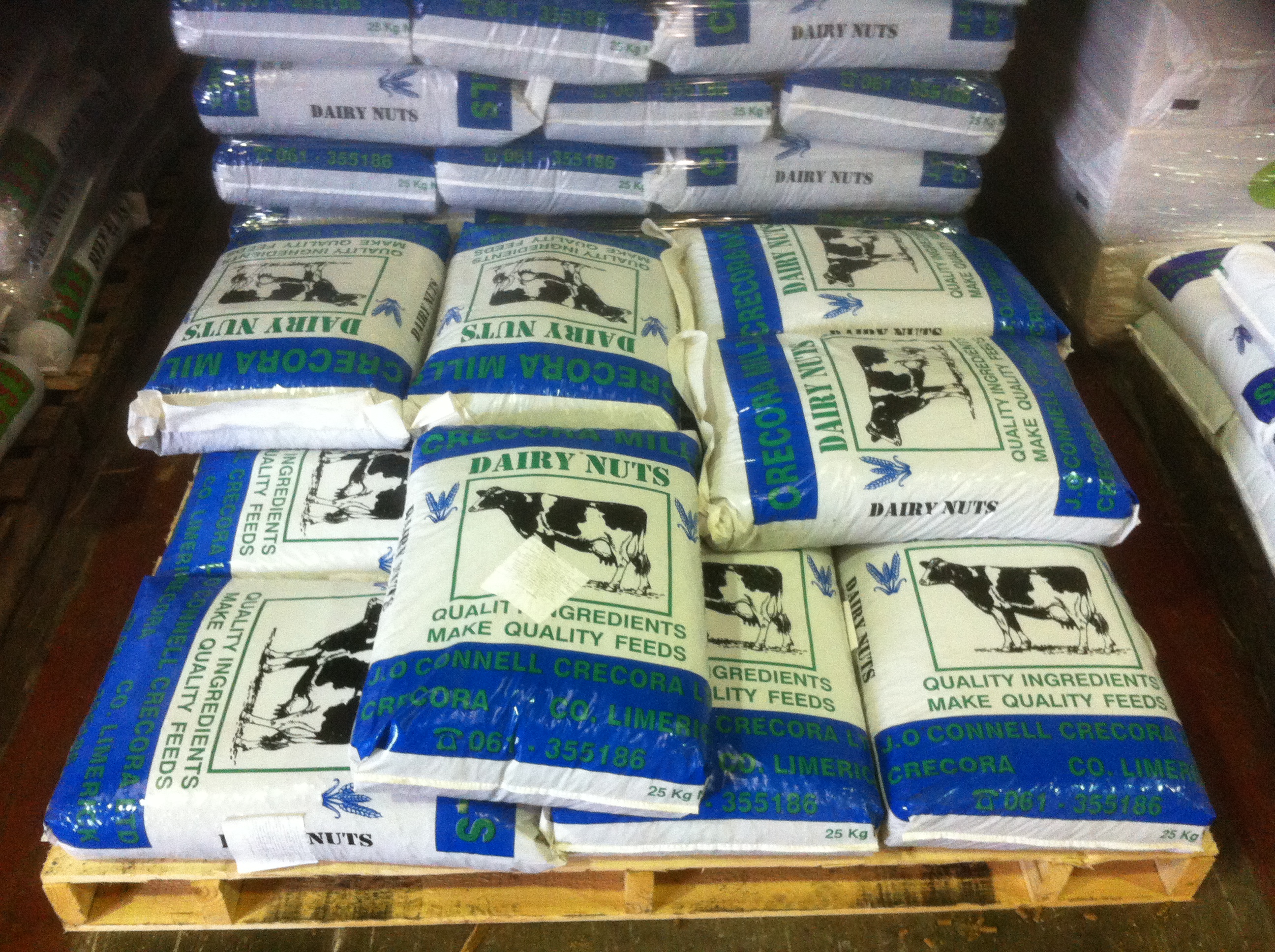
Inform Crecora Mills of your feeding rate when ordering your Dairy nuts and they can increase the Magnesium levels to suit you.

Grass availability is also becoming a huge restriction on cow performance. In most farms that are split into 12 hour grazing blocks it is not uncommon to go to the block 2 hours into the 12 hour allocation to find it grazed out. In this scenario the cows are going hungry till they are back into the milking parlour. The proof of it is to give them an extra allocation of grass and see how well it is grazed out. In 99% of cases a 24 hour allocation will be grazed out in 12 to 16 hours. The consequences of restricting grass intake are low milk solids, restricted production and poor thrive.

Des Cronin maintains there are only 2 skills a farmer needs.

  1. To Measure grass
  2. To count money.

It requires a lot of effort to make sure that grass intake is not restricted and if you find you do not have enough grass then you have to have a plan B to fill the diet. Preferably if you are watching and judging correctly then you will be able to supplement small amounts of feed during the rotation to ensure you don’t run out of grass. What happens in most farms is that come May there is no grass left and suddenly much larger volumes of feed are fed to compensate. A little and often approach is far more cost effective.

Silage Quality is also a big issue this year with a lot of very dry silages suffering from Secondary fermentation. This occurs when air permeates the face of the pit after taking out a grab and a serious loss of energy results. Silage that went into the pit at 66 or 68 DMD may only feed out at 64 DMD due to secondary fermentation. Beware! You can tell if it is a problem if you remove 6 inches of silage from the face of the pit and can feel heat in the pit. This is the silage undergoing secondary fermentation and losing energy in the form of heat.

Best practice to minimise losses from secondary fermentation are to use a good sharp shear grab so as not to disturb the pit face, feed once a day not every 2 days and be prepared to get rid of silage that they are refusing to eat. Obviously if you have moulds on your silage be sure to remove them before feeding. Mouldy silage will depress the cows immunity and lower feed intake and production. Be very careful if you are handling moulds in silage as it affects humans greatly also. wear a mask and minimise contact with it if at all possible.

If Animals are reluctant to eat the silage then you are best off to clear it out of the feed passage. Cattle are brilliant at picking out the best in their fodder and quite often whatever they leave behind will be of little or no nutritional value to them. If you tested fodder that they are reluctant to eat quite often you will find it would be around 40 DMD. If you force them to eat it you will hammer your potential production, weight gain, animal health etc. There is a very good reason why they don’t want to eat it!

Acidosis was mentioned in the seminar also. Des Cronin made the point that we should be trying to gradually bring in grass into the diet after calving if possible. The turbo charged leafy spring grass can cause a lot of digestive upsets in cows and lead to Ruminal Acidosis.

Crecora Mills have a lot of experience in helping to prevent Acidosis. We have a rumen buffer pack that we can include in our feeds to help stabilise the rumen of the cow. Crecora Mills also manage the fibre levels of the feed to try to combat problems before they arrive in Springtime by increasing the fibre levels using quality feed ingredients such as Beetpulp and Soya hulls.

Paul O’Connell from Crecora Mills made a few points at the end of the seminar about some other Agri-business advice.

  • Tell Crecora Mills your feeding rate so we can best advise you on your nutritional needs.
  • When you need our fertility mineral pack in your feed just ask and we can incorporate it for you.
  • To help prevent Hypocalcaemia in cows at calving try to feed them silage from paddocks that did not get slurry that year. When you cut those paddocks and bale them, mark them or put them aside to feed to cows before calving. These bales should have far less Potash in the silage and it will help prevent Hypocalcaemia.
  • Our best agri-business and economic advice is to get more from your cows at a stocking rate that is manageable on your farm before you increase numbers. Its just good business sense. Minimise your risk of fodder shortages and less labour.
  • Two many cows for a farmer leads to highly stressed farmers who are under too much pressure to manage grass properly. This results in bad decisions being made and losing money. We have seen a few cases where 20 less cows results in a happier farmer who is better able to manage his grass and makes more money.

Paul made the point that at the end of the day the motivation for Crecora Mills is not to make our customers buy more feed for the sake of it. Rather it is to understand and value what they feed their animals in order to get the maximum return from the feed. To put it crudely if our farmers are not making money then Crecora Mills are not making money so it is in our interests to help our customers maximise their profits.

Keep an eye on the website for more news and updates on upcoming events and advice.

Any business enquiries please contact 061 355186


Categories
News

Dairy Seminars Jan 2015

Our annual early season dairy seminars are taking place this week.
The venues are Listowel in the Listowel Arms on Tuesday the 13th at 8pm and Adare in the Woodlands house hotel on Thursday the 15th at 8pm.
We have managed to secure some great well known and respected speakers for each session with a practical knowledge of the Irish dairying and the issues that come with it.
Among the topics our customers have asked the speakers to discuss are:
World Milk Markets and price.
Dairy nutrition in a post quota scenario,
Issues around calving
Cow nutrition in early lactation.
For those of you who have attended these meetings before you know that there is plenty of room for a back and forth discussion on these topics and questions are welcome.

As always we hope that we can solve some problems and give some guidance on what promises to be a challenging year.

Crecora Mills
Privacy Overview

This website uses cookies so that we can provide you with the best user experience possible. Cookie information is stored in your browser and performs functions such as recognising you when you return to our website and helping our team to understand which sections of the website you find most interesting and useful.