Categories
News

Crecora mills leading the way in feed technology

Crecora Mills is a well-known leader in animal feed technology. With years of experience and expertise in the field, they have established themselves as a reliable and innovative company in providing top-quality animal feed solutions.
One of the reasons why Crecora Mills is considered a leader in animal feed technology is their commitment to research and development. They continuously invest in exploring new and improved methods and ingredients to enhance animal feed formulations. This dedication to innovation allows them to stay ahead of the competition and deliver cutting-edge products to their customers.

Additionally, Crecora Mills takes great pride in their stringent quality control measures. They ensure that all their animal feed products meet and exceed industry standards, giving customers peace of mind in terms of safety and nutritional content. Their quality assurance processes include regular testing, inspections, and certifications, guaranteeing that the animal feed they create is of the highest quality.

Crecora Mills also offers a wide range of animal feed options for different species and purposes. Whether it is calves, beef or dairy cattle, sheep, or horses, they have tailored feed formulations specific to each animal’s nutritional needs. Their team of experts works closely with customers to understand their requirements and provide customized solutions, further solidifying their position as leaders in the industry.
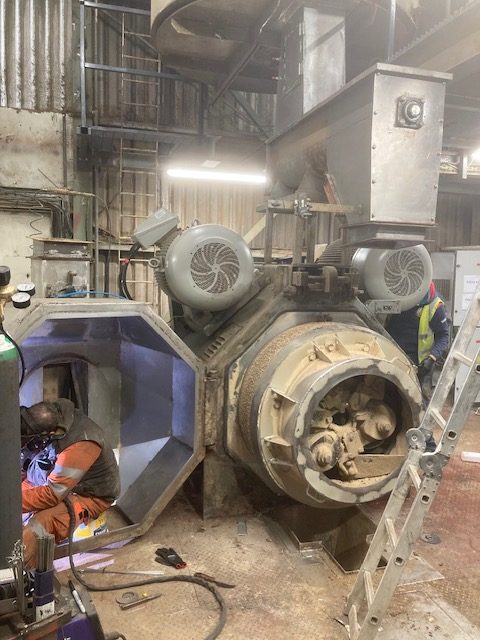
In addition to their focus on product quality and customization, Crecora Mills also prioritizes sustainability. They strive to minimize their carbon footprint and promote sustainable practices throughout their manufacturing processes. By using locally sourced ingredients and implementing eco-friendly initiatives, they demonstrate their commitment to the environment and support sustainable agriculture practices.

Overall, Crecora Mills’ commitment to research, quality control, customization, and sustainability makes them leaders in animal feed technology. Their continuous efforts to improve and deliver the best products sets them apart from others in the industry and makes them a trusted partner for farmers and animal owners worldwide.
Categories
News

Crecora Mills Beef Finisher

You should consider buying Crecora Mills Beef finisher animal feed for the following reasons:
High-Quality Ingredients: Crecora Mills Beef finisher animal feed is made with premium ingredients that are carefully selected to provide your animals with the essential nutrients they need for optimal growth and development. The feed is formulated to meet the specific nutritional requirements of beef cattle during the finishing phase.
Balanced Nutrition: The feed provides a balanced and complete diet, ensuring that your animals receive all the necessary proteins, vitamins, minerals, and energy they need. This helps promote healthy weight gain, muscle development, and overall well-being.
Enhanced Animal Performance: Crecora Mills Beef finisher animal feed is designed to promote efficient feed conversion, meaning your animals can convert feed into weight gain more efficiently. This can result in improved animal performance, increased average daily gain, and ultimately higher profitability for your operation.
Traceability and Quality Assurance: Crecora Mills is committed to traceability and quality assurance. They have strict quality control measures in place to ensure that their animal feed is safe, consistent, and of the highest quality. This provides you with peace of mind knowing that you are feeding your animals a reliable and safe product.
Expertise and Support: Crecora Mills has extensive knowledge and experience in finishing beef cattle. Crecora mills Founder John O’Connell has been running a successful beef finishing enterprise all his life. Their team of experts is available to provide guidance and support to help you optimize your animals’ nutrition and maximize their performance.
Sustainable and Environmentally Friendly: Crecora Mills is committed to sustainability and environmental responsibility. They use quality ingredients that are sourced locally whenever possible, reducing transportation emissions and supporting local farmers. Additionally, their feed production processes are designed to minimize waste and optimize resource efficiency.
Overall, choosing Crecora Mills Beef finisher animal feed can help you ensure the health and productivity of your beef cattle while supporting sustainable and responsible farming practices.

Categories
News

Cows eat grass.. why spend money on animal feed?

Cows are herbivores, and their natural diet consists mainly of grass and other vegetation found in pastures. However, there are certain scenarios in which cows could benefit from consuming concentrate animal feed, which is a specially formulated blend of nutrients and minerals. This article will explore why cows sometimes require this type of feed and how it can contribute to their overall health and productivity.
Nutritional requirements: While cows can derive most of their nutrient needs from grazing in pastures, there may be situations where the available feed quality is low or insufficient. For example, during the winter season or in regions with limited access to fresh grass, concentrate feed can act as a supplementary source of essential nutrients such as proteins, vitamins, and minerals. This ensures that cows receive a balanced diet regardless of seasonal variations.
Enhanced growth and development: Providing cows with concentrate feed can promote optimal growth and development, especially in young calves. Calves have high energy requirements for rapid growth during their early stages of life, and concentrate feed can help meet these demands. It contains higher levels of protein, which supports muscle and tissue development, and essential minerals that aid in bone formation and overall skeletal health.
Increased milk production: For dairy cows, concentrate feed plays a crucial role in enhancing milk production. By providing a concentrated source of energy and protein, it enables cows to meet the high demands of milk production efficiently. This feed also contains specific nutrients like bypass proteins and vitamins, which enhance milk quality and quantity. In turn, this benefits dairy farmers by maximizing their profits and meeting market demands for milk and dairy products.
Improved fertility and reproductive efficiency: Proper nutrition is essential for maintaining reproductive health in cattle. Cows that have access to concentrate feed are more likely to reach their breeding weight earlier and exhibit improved fertility rates. This is particularly significant in intensive breeding systems, where farmers aim to achieve multiple pregnancies in a short period. Concentrate feed provides the necessary energy and nutrients for successful ovulation, conception, and fetal development, resulting in higher reproductive efficiency.
Supplementary feeding during stress or illness: Cows that undergo stressful situations, such as transportation, weaning, or exposure to extreme weather conditions, may experience reduced appetite and weight loss. Concentrate feed can serve as a supplementary source of nutrition during these periods, providing cows with readily available energy and essential nutrients. Moreover, during illness or recovery from surgery, concentrate feed can help in restoring the cow’s strength and promoting faster healing.
Efficient feed conversion: Concentrate feed is typically highly digestible, allowing for efficient nutrient absorption and conversion into productive outputs such as milk production and weight gain. This reduces wastage and promotes economic efficiency for farmers, as the nutrients are utilized effectively, leading to improved feed conversion ratios.
While concentrate feed can be beneficial for cows, it is essential to ensure its proper usage and integration into their diets. Consulting with a veterinarian or nutritionist to determine the appropriate type and amount of concentrate feed based on individual cow requirements and nutritional deficiencies is crucial.

In conclusion, concentrate animal feed serves as a valuable tool in maintaining the health, growth, and productivity of cows. Its role as a supplementary source of nutrients, especially during challenging environmental or physiological conditions, ensures that cows receive the necessary dietary support for their overall well-being. By carefully integrating concentrate feed into their diets, farmers can optimize productivity levels and maintain a sustainable and profitable cattle industry.

Categories
News

Why do humans drink milk?

Cows are known for providing humans with a large variety of dairy products, such as milk, cheese, yogurt, and butter. These products have been a staple in our diets for centuries, providing essential nutrients and contributing to our overall health and well-being. But have you ever wondered about the nutrition behind cow’s dairy?
When it comes to dairy nutrition, cow’s milk is considered one of the most nutrient-rich fluids available. It provides a good balance of macronutrients – carbohydrates, proteins, and fats – as well as an array of vitamins and minerals that are essential for human growth and development.

One of the key components of cow’s milk is protein. It is a complete protein, meaning it contains all nine essential amino acids that our bodies cannot produce on their own. This makes milk an excellent source of protein for vegetarians and vegans who do not consume animal meat. Protein is vital for building and repairing tissues, supporting the immune system, and providing energy.

Cow’s milk is also a rich source of calcium, a mineral critical for the development and maintenance of strong and healthy bones and teeth. Calcium is especially important for children and adolescents, as they are in their peak bone development stage. Adequate calcium intake during these periods lays the foundation for skeletal health in later life, reducing the risk of osteoporosis and fractures.

Additionally, cow’s milk contains several other essential minerals like phosphorus, magnesium, and potassium. These minerals play a significant role in maintaining proper cell function, nerve signaling, and muscle contractions. They also contribute to maintaining a healthy blood pressure level and fluid balance within the body.

Moreover, cow’s milk is an excellent source of vitamins, particularly vitamin D and B vitamins. Vitamin D works in conjunction with calcium to promote proper bone health by enhancing calcium absorption. It also plays a crucial role in supporting the immune system and maintaining overall cardiovascular health. B vitamins found in dairy, such as riboflavin, vitamin B12, and pantothenic acid, are necessary for energy production, nervous system function, and cell metabolism.

However, it’s essential to note that while cow’s milk offers numerous benefits, it may not be suitable for individuals with lactose intolerance or milk allergies. Lactose intolerance occurs when the body lacks the enzyme lactase, necessary for breaking down lactose (milk sugar). In such cases, lactose-free dairy products or non-dairy alternatives like soy milk or almond milk can be consumed to fulfill the nutritional needs.

In conclusion, cows’ dairy is a valuable source of nutrition for humans, providing a good balance of macronutrients, vitamins, and minerals. It is particularly renowned for its high protein content, calcium, and vitamin D, which contribute to bone development and overall health. However, it is important to consider individual dietary needs and any potential lactose intolerance or allergies when incorporating cow’s dairy into one’s diet.
Categories
News

Crecora Mills dairy feeds!!

Introducing Crecora Mills Dairy Feed – The Ultimate Nutrition Solution for Your Cows!
Are you a dairy farmer looking to maximize milk production and improve the overall health and well-being of your cattle? Look no further than Crecora Mills Dairy Feed – the trusted feed choice for dairy farmers across the nation.

Why choose Crecora Mills?

Superior Nutrition: At Crecora Mills, we understand that nutrition plays a vital role in your cows’ performance. Our dairy feed is formulated using only the finest quality ingredients, carefully selected to meet the specific dietary needs of lactating cows. Packed with essential vitamins, minerals, and enzymes, our feed supports optimal rumen health, digestion, and milk production.
Tailored Solutions: We understand that every dairy farm is unique, and so are your cows. That’s why we offer a range of specialized dairy feeds to suit different stages of lactation, feed systems, and milk yield requirements. Whether you’re feeding high-yielding cows or young heifers, we have the perfect feed formula to meet their specific nutritional needs.
Complete Feed Solutions: With Crecora Mills Dairy Feed, you can simplify your feeding process. Our feed formulations are designed to be complete, meaning they provide your cows with all the essential nutrients they require, minimizing the need for additional supplements. This not only saves time but also ensures your cows receive a balanced diet for optimal health and productivity.
Proven Results: Dairy farmers nationwide have experienced remarkable results with Crecora Mills Dairy Feed. Our feed has been proven to increase milk production, enhance feed efficiency, improve fertility rates, and promote overall herd health. Join the countless satisfied farmers who have witnessed firsthand the positive impact of our dairy feed on their bottom line.
Trusted Expertise: With over 50 years of experience in the dairy industry, Crecora Mills has built a reputation for excellence. We have a team of dedicated nutritionists who work closely with our customers to understand their farm’s specific needs and challenges. Count on us to provide you with personalized advice and support throughout your journey to success.
Make the right choice for your dairy farm – choose Crecora Mills Dairy Feed! Experience the difference that superior nutrition can make in your cows’ performance, milk quality, and overall profitability.

Contact us today at 061355186 or visit our website www.crecoramills.ie to learn more about our range of dairy feeds.

Categories
News

Crecora Mills goes Green with Solar farm

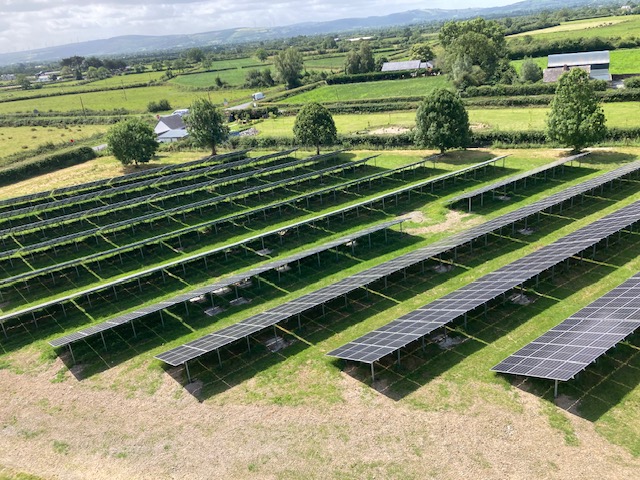
Crecora Mills has installed 2 solar projects at both of our manufacturing plants in Crecora and Castlemahon.
In Crecora we have installed a 50Kw roof mounted solar system.
In Castlemahon we have installed a 500Kw ground mounted system.
We hope that in time these systems will help in a small way to minimise our carbon footprint and the huge electricity cost increases that we were subject to in recent years. As always these savings are passed onto our customers by delivering quality feed at a fair price.
Categories
News

Difficult grazing conditions

This has been so far an exceptionally challenging year. From a drought earlier in the year to some of the wettest grazing conditions we have ever experienced in the last few months. With this in mind here are some of the challenges that wet grazing conditions lead to.
Poor quality intake.
Even when animals are grazing good covers of grass when it is wet a number of problems arise. They walk over and contaminate the sward. The soil conditions are so loose that when they grab a bunch of grass with their tongue some soil and roots can be pulled by the tongue. Obviously there is a huge burden of parasites such as fluke and lungworms. Indeed in my own herd we have been forced to dose for lungworm again recently. Its always best to dose for lungworm BEFORE housing.

Grass quality is also very negatively affected by wet conditions. Wet grass means that animals cant get the required amount of dry matter into their diet every day.
Feeding concentrates would be the obvious answer to getting additional dry matter into animals but that becomes a huge challenge when soil conditions are wet. The last thing we want is for large patches of our grazing pastures to be poached by animals waiting around a feed trough.

Another challenge is the inevitable foot problems that occur when animals are standing around in wet conditions every day. If you notice that after a 5 minute shower your toenails are very soft then imagine how cows and bullocks are faring when standing in wet conditions every day! Cows hooves are made from keratin like our toenails which will go soft if immersed in water. Consider adding gravel to passages to keep them dry, keep your collection yards clean, make sure they have a dry lie at night.

There is no easy answer to this very challenging situation and every farm will present its own additional challenges. All we can do is look after our animal health as best we can and make the best decisions possible.
The key takeaways from this article:
Dose for worms, fluke and lungworm etc.
Watch the condition of your cows feet.
Make sure they have a dry lie.
Supplement the missing dry matter in the diet.

Call us on 061 355186 for information on our feeds to help you pick the best solution for your farm.

Categories
News

What makes Crecora Mills Calf different from others?

Calf health is crucial for the overall success and profitability of a farming operation. As farmers, we understand the importance of providing our animals with the best possible nutrition to ensure their well-being and growth. This is why Crecora Mills animal feed is considered essential for calf health.
Crecora Mills is a renowned brand in the farming industry that has been producing high-quality animal feed for decades. Their dedication to providing superior nutrition for livestock, particularly calves, has made them a trusted choice for farmers globally.

One of the key reasons why Crecora Mills animal feed is essential for calf health is the fact that it is specially formulated to meet the unique nutritional needs of Irish young calves. Calves have specific requirements for growth and development, and our feeds are designed to provide them with the necessary nutrients in the right proportions.

Crecora Mills animal feed is enriched with essential vitamins, minerals, and amino acids that support optimal growth and development in calves. These nutrients are carefully balanced to ensure the calves receive everything they need to thrive. This is especially important during the early stages of life when the calf’s immune system is still developing and vulnerable to various diseases.

The feed also contains high-quality proteins and energy sources that are easily digestible for young calves. This promotes efficient nutrient absorption and utilization, helping the animals to grow at a healthy pace. Additionally, the feed includes essential fatty acids, such as omega-3 and omega-6, which support brain development and overall calf health.

Crecora Mills pays special attention to the hygiene and quality of all their animal feed. They have strict quality control measures in place to ensure that their products are free from contaminants and meet the highest standards. This ensures that calves consuming their feed are not exposed to any harmful substances that could negatively impact their health.

Furthermore, Crecora Mills animal feed is formulated to prevent common health issues in calves, such as nutritional deficiencies and digestive problems. By providing a well-balanced and easily digestible diet, the feed helps to maintain a healthy gut flora and reduce the risk of ailments such as scours or bloating.

Another key factor that sets Crecora Mills animal feed apart is their commitment to sustainability and environmental responsibility. They prioritize using locally sourced ingredients and minimize their carbon footprint throughout the production process. This environmentally conscious approach ensures that farmers who choose Crecora Mills are not only supporting the health of their calves but also contributing to a more sustainable farming industry overall.

In conclusion, Crecora Mills animal feed is essential for calf health due to its specialized formulation, high-quality ingredients, and focus on sustainability. By choosing this feed, farmers can ensure that their calves receive the necessary nutrition for optimal growth, immune function, and overall health. Investing in the well-being of these young animals ultimately leads to better productivity, profitability, and a more sustainable farming operation.

Categories
News

Dairy Seminar Summary 21st Dec 2016

Crecora Mills Dairy Seminar Dec 2016

This is a brief summary of some of the topics that were discussed at our Dairy Seminar held in the Rathkeale House Hotel on 21st Dec 2016.

The guest speaker was Jim Uprichard from Trouw nutrition. Jim is a well respected nutritionist that has a lot of hand on experience with Irish dairy herds both North and South of the border.

We discussed world markets briefly and the information coming back from dairy production globally is that most countries in Europe produced less milk last year than previously. Our neighbour the UK was down 6%. Ireland was up just over 2%. The cost of producing milk in China is still over 4o cents per litre which means they are a good deal away from not depending on Australasia milk suppliers.

The US is the big change in that they are increasing their milk output but that is coming into line with their ever increasing population.  If you extrapolate out the Global price of all the Milk byproducts and work backwards to a farm gate price it amounts to around 31.5 cents per litre. We are not there yet but we are on the way.

Brexit was also discussed. It appears that this is a very difficult one to call as it appears that there is no plan to keep those that voted to Leave happy now that the Leave campaigners have walked away from government. If they go for a Soft Brexit it will be the least change for us as EU members.

If they go for a Hard Brexit it means that we as members of the EU will have to wait on any trade deals to be negotiated with the EU as a whole. We could not negotiate on our own with the UK as an EU member.

One would imagine a soft Brexit is more likely but then again most of us thought that they would vote to remain also.

Animal Nutrition was the heart and soul of the seminar really.

Jim outlined a range of different issues that we discussed.

One of which was that Body condition scores on cows seem to be back a little (0.5) across the country. This is probably from the extended grazing in the last month and grass quality maybe not being as good as was thought.

Jim recommended feeding a low protein high maize dairy nut in spring as the best value per unit of energy. Ideally a nut with Maize, Beetpulp, Soya Hulls for fibre a little Barley and maybe a rumen buffer to try to offset the problems with grazing fresh grass.

Calf development was discussed at length with a comprehensive step by step look at the TROUW lifestart calf programme. A number of very interesting things were discussed such as:

  • the value of colostrum,
  • the value of feeding a good quality milk replacer,
  • The economic difference on growing the replacement heifer faster
  • Learning how to switch on the potential genetics of the heifer through correct nutrition.
  • The value of feeding a larger diameter pellet instead of a ration to prevent calf selection of large particles.

We also had a questions and answers session where a number of good questions arose.

Issues around Cows eating stones and licking clay and the causes of it. Was it really a Phosphorous deficiency or could it be Acidosis?

What type of milk replacer should you feed?

The value in feeding low potash silage to dry cows before calving.

The meeting finished up with complimentary teas and sandwiches served afterwards.

We at Crecora Mills would like to thank Jim Uprichard and the Rathkeale House hotel for their help and expertise in running another enjoyable and informative Dairy seminar.

Categories
News

All you ever needed to know about IBR

Infectious Bovine Rhinotracheitis (IBR)

Cause

Infectious Bovine Rhinotracheitis (IBR) is a highly contagious, infectious respiratory disease that is caused by Bovine Herpesvirus-1 (BHV-1). It can affect young and older cattle. In addition to causing respiratory disease, this virus can cause conjunctivitis, abortions, encephalitis, and generalised systemic infections.

IBR is characterised by acute inflammation of the upper respiratory tract. After the first infection, the virus is never fully removed. It stays behind in nerve cells in the brain as a life-long latent (hidden) infection. However, at times of stress the virus can begin to multiply again and may be re-excreted, generally from the nose and the eyes; an animal which has been infected can never be considered safe. Purchase of infected animals is the main source of new infections.

Diseases caused by the virus can be serious; therefore it is a barrier to international trade. Cattle with BoHV-1antibody cannot be exported to BoHV-1-free countries. Neither can they be accepted into an artificial insemination (AI) centre.

Symptoms

  • Fever
  • Coughing
  • Depression
  • Loss of appetite
  • Hyperaemia of the mucosae Mucosla lesions Nasal discharge Conjunctivitis
  • Drop in milk production
  • Infertility
  • Abortion

Treatment

There is no direct treatment for viral diseases. Infected animals should be isolated from the rest of the herd and treated with anti-inflammatory drugs and antibiotics for secondary infections if necessary. Carrier cattle should be identified and removed from the herd.

Prevention

Control of the disease is based on the use of vaccines. . Since BHV-1 is a ubiquitous, highly contagious virus, vaccination is recommended as soon as passive immunity in calves has disappeared, usually around four to six months of age. Currently available vaccines for IBR include modified-live-virus (MLV) vaccines and inactivated or killed-virus (KV) vaccines.

The timing of vaccination is at least as important as the choice of vaccine. Since maximum protection does not generally occur until approximately three weeks after vaccination, calves should be vaccinated two to three weeks before weaning at which time they start to be at risk of infection. single vaccination will reduce the severity of disease, but not provide complete protection. The use of marker vaccines is preferred since the antibody they stimulate can be distinguished from the BoHV-1 antibody that follows a natural infection and so secondary vaccination is required. Appropriate biosecurity will also reduce risk on farm.

– See more at: http://www.thecattlesite.com/diseaseinfo/174/infectious-bovine-rhinotracheitis-ibr/#sthash.c6Zj0GN8.dpuf

Crecora Mills

Privacy Overview

This website uses cookies so that we can provide you with the best user experience possible. Cookie information is stored in your browser and performs functions such as recognising you when you return to our website and helping our team to understand which sections of the website you find most interesting and useful.