Categories
News

Low DMD Silage: The Hidden Cost in Beef Systems

Low DMD Silage: The Hidden Cost in Beef Systems

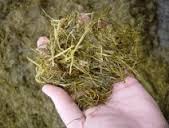
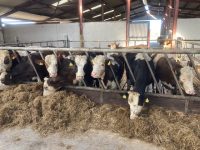
Silage quality is one of the biggest drivers of beef performance during the winter period. Yet every year, many beef farms are trying to push cattle forward on silage that simply cannot support growth on Low DMD silage.

Low DMD silage quietly reduces thrive, increases meal requirements, and delays finishing — often without farmers fully realising the scale of the impact.


What Does DMD Actually Mean?

DMD stands for Dry Matter Digestibility. It measures how much of the silage an animal can actually digest and convert into energy.

Higher DMD silage means:

  • Higher energy intake

  • Better daily liveweight gain

  • Lower concentrate requirement

Lower DMD silage means cattle fill their stomachs but don’t get the energy they need.

Typical figures seen on Irish beef farms:

Silage DMD Performance Potential
72–75% Excellent growth
68–71% Moderate performance
64–67% Poor thrive without meal
Below 64% Maintenance feed only

Many finishing problems start with silage in the mid-60s or lower.


The Real Cost of Low DMD Silage

Poor silage doesn’t always look bad in the pit. Cattle will still eat it, but the energy value is much lower.

The consequences include:

  • Slower daily liveweight gain

  • Higher concentrate feeding costs

  • Longer finishing periods

  • Reduced feed efficiency

For example, cattle on 64 DMD silage may require 2–3 kg more ration per day compared with cattle on high-quality silage just to achieve the same performance.

Across a winter, that adds up quickly.


Signs Your Silage Is Holding Cattle Back

Common warning signs include:

  • Cattle eating large volumes but not thriving

  • Loose or inconsistent dung

  • Increased meal levels with little improvement in growth

  • Finishing cattle taking longer than expected to reach target weight

In many cases, the ration gets blamed — but the real issue is the forage base.


Managing Low DMD Silage

If silage quality is already poor, the focus shifts to managing around it.

Practical steps include:

  • Testing silage to understand its true feed value

  • Increasing concentrate levels strategically

  • Ensuring rations supply enough protein and energy

  • Splitting feeding across the day where possible

Balanced concentrates become even more important when silage quality drops.

At Crecora Mills, rations are formulated to complement forage and help maintain performance when silage quality varies between farms.

The aim is to close the nutritional gap created by lower digestibility forage.


Planning for Next Season

The best solution to low DMD silage is prevention.

Higher digestibility silage comes from:

  • Earlier cutting dates

  • Correct fertiliser management

  • Good wilting conditions

  • Tight pit management

Each extra point of DMD can significantly improve winter performance and reduce meal costs.


The Take-Home Message

Silage is the foundation of winter beef diets.

If the foundation is weak, everything built on top of it becomes more expensive.

Know your silage quality, feed accordingly, and plan ahead to produce higher digestibility forage next season.
Categories
News

Your Calves Are Valuable Stock — Feed Them Like It!

🐮 Your Calves Are Valuable Stock — Feed Them Like It

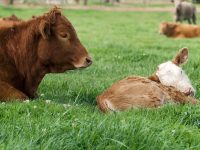
Irish calves have never been more valuable. Whether they’re staying on the farm or heading into the beef system, their future performance is decided in the first few weeks of life.

Milk alone isn’t enough.

Early introduction of a high-quality calf nut is what drives rumen development, growth, and long-term efficiency. That’s where Crecora Mills Calf Max comes in.

Why feeding Calf Max matters:

✔️ Encourages early rumen development
✔️ Supports stronger, healthier calves
✔️ Helps calves transition off milk sooner and smoother
✔️ Drives better liveweight gain
✔️ Sets calves up for stronger lifetime performance

The biggest mistake we see is underfeeding or delaying meal because calves “look fine.”
By the time problems show, performance is already lost — and it’s rarely recovered fully later.

A good calf nut isn’t a cost.
It’s an investment in future output, whether that’s:

  • higher beef value

  • stronger replacement heifers

  • or healthier calves with fewer setbacks

Calf Max is formulated for:

  • Palatability (calves actually eat it)

  • Digestibility

  • Consistency — bag after bag

📞 Talk to Crecora Mills today about feeding Calf Max to your calves.

Crecora Mills – We only mix with the best.

Categories
News

Rumen Upset & Acidosis: Why Beef Cattle Suddenly Stop Thriving

Rumen Upset & Acidosis: Why Beef Cattle Suddenly Stop Thriving

If cattle are eating but not gaining, or performance drops off quickly after a ration change, the problem often sits in one place:

The rumen.

In Irish beef systems, rumen upset and sub-clinical acidosis are far more common than most realise — especially during finishing or after turnout to strong spring grass.


The Rumen: Your Real Feed Engine

The rumen is a fermentation chamber packed with billions of microbes. These microbes break down fibre and starch into usable energy.

When the rumen is stable:

  • Intake stays strong

  • Feed converts efficiently

  • Daily liveweight gain stays consistent

When the rumen is unstable:

  • Intake fluctuates

  • Dung loosens or becomes inconsistent

  • Thrive disappears

And once rumen bugs are knocked back, performance doesn’t recover overnight.


What Causes Acidosis?

Acidosis happens when rumen pH drops too low due to rapid fermentation of starch or sugars.

Common triggers on Irish farms include:

  • Sudden introduction of high levels of barley

  • Pushing concentrates too quickly in finishing cattle

  • Inconsistent feeding times

  • Sudden turnout onto lush, leafy grass

  • Feeding large amounts of straights without proper balance

Barley ferments fast. If it’s increased too quickly, acid builds up faster than the rumen can buffer it.

Even when cattle don’t show obvious illness, sub-clinical acidosis quietly reduces performance.


Signs You Might Be Missing

Not every case is dramatic. Watch for:

  • Cattle going off feed for a day or two

  • Loose, bubbly dung

  • Reduced cud chewing

  • Lameness in severe cases

  • Cattle that “stall” during finishing

If daily gain drops from 1.4 kg to 0.9 kg, the cost builds quickly.


Why It’s So Expensive

When rumen pH drops:

  • Fibre digestion falls

  • Feed efficiency collapses

  • Cattle burn energy dealing with inflammation

You end up feeding more to get less.

No ration can perform if the rumen environment is unstable.


Practical Prevention That Works

Acidosis is largely a management issue.

Key rules:

  1. Introduce ration changes gradually — over weeks, not days.

  2. Increase concentrate levels in small, steady steps.

  3. Keep feeding times consistent.

  4. Always provide access to clean water.

  5. Ensure adequate fibre, even in finishing systems.

Consistency beats pushing cattle too hard.


Nutrition Done Properly

Balanced rations reduce risk by combining:

  • Fast-release energy

  • Slower-release starch sources

  • Digestible fibre

  • Rumen buffers

  • Live yeast where appropriate

At Crecora Mills, rations are formulated to support rumen stability first — because performance only comes after digestion is right.

You cannot out-feed a damaged rumen.


The Take-Home Message

If cattle stop thriving after a diet change, don’t blame genetics or weather straight away.

Look at:

  • Rate of feed increase

  • Starch levels

  • Feeding consistency

Protect the rumen and performance will follow.

Categories
News

Freshly Calved Cows: Why Cutting Nuts Is a False Economy

The first 30–60 days after calving are the most important days of the cow’s entire lactation.
Get nutrition right here, and everything that follows is easier. Get it wrong, and you’re chasing problems for months.

When a cow calves, her energy demand jumps overnight. Milk output rises faster than intake, leaving her in negative energy balance. Grass and silage alone — no matter how good — often can’t meet that demand.

That’s where dairy nuts earn their keep.

Why feeding nuts after calving matters:

✔️ Supports milk yield early, when response to feed is strongest
✔️ Helps protect body condition, fertility, and cow health
✔️ Drives milk solids, not just litres
✔️ Reduces risk of issues like ketosis and poor recovery
✔️ Sets the cow up for a more consistent lactation

The biggest mistake we see is cutting nuts too hard, too early, especially when milk price is under pressure.
Saving €0.50–€1.00 per cow per day can easily cost 2–4 litres of milk, plus fertility headaches later on.

The truth is simple:
👉 Fresh cows are not the place to cut corners.
👉 The right nut, fed at the right level, pays for itself — even at lower milk prices.

At Crecora Mills, our dairy nuts are formulated to deliver energy density, digestibility, and consistency when cows need it most.

📞 Talk to us about the right feeding level for freshly calved cows.

Crecora Mills – We only mix with the best.

Categories
News

What to do when milk price is tight?

Assumptions :

  • Dairy feed cost: €340/t = €0.34/kg

  • Decent silage and or grass quality and quantity.
  • A healthy herd.

  • € Figures show milk revenue minus feed cost

  • This is margin over feed, not total profit.


🥛 Milk Price Sensitivity – Margin Over Feed

€/cow/day

Dairy Nuts (kg/day) Extra Milk (L/day) Feed Cost €/day 40c/L 45c/L 50c/L
2 kg 1.5 – 2.0 €0.68 €-0.08 → €0.12 €0.00 → €0.22 €0.07 → €0.32
3 kg 2.5 – 3.0 €1.02 €-0.02 → €0.18 €0.10 → €0.33 €0.23 → €0.48
4 kg 3.5 – 4.0 €1.36 €0.04 → €0.24 €0.22 → €0.44 €0.39 → €0.64
5 kg 4.2 – 5.0 €1.70 €-0.02 → €0.30 €0.19 → €0.55 €0.40 → €0.80
6 kg 4.8 – 6.0 €2.04 €-0.12 → €0.36 €0.12 → €0.66 €0.36 → €0.96
7 kg 5.2 – 6.5 €2.38 €-0.30 → €0.22 €-0.04 → €0.55 €0.22 → €0.87
8 kg 5.5 – 7.0 €2.72 €-0.52 → €0.08 €-0.25 → €0.43 €0.03 → €0.78

What this clearly shows

👉 Feed isn’t the enemy — inefficiency is.

  • 4–5 kg is the safest, most consistent zone across all milk prices

  • At 40c, overfeeding hurts — underfeeding also hurts

  • At 45c, good feed is clearly paying

  • At 50c, every efficient kg of nut is making money

  • Cutting from 4 kg to “save €0.68” often costs €1+ in milk

Categories
News

The Real Euro Value of Feeding Quality Dairy Nuts – Even When Milk Prices Fall

💶 The Real Euro Value of Feeding Quality Dairy Nuts – Even When Milk Prices Fall

When milk prices fall, many farmers think about cutting back on feed. It’s natural — you see the cheque shrinking and start looking for savings.
But here’s the truth: cutting quality feed is one of the fastest ways to lose money on a dairy farm.

At Crecora Mills, we see it every year — the herds that stay on a good-quality, high-maize, high-energy nut are the ones that keep producing, stay healthy, and calve down stronger next spring.

🧾 The Simple Maths

Take a top-quality dairy nut like Crecora Mills Dairy Max Grass 16, costing around €360 per tonne (€0.36/kg).

If you increase feeding by just 2 kg per cow per day, that costs €0.72/day.

With milk at €0.45/L, the feed pays for itself if you get 1.6 litres of extra milk.
And that’s just breakeven — most herds easily see 1.8–2.0 litres/day, even at grass.

That’s a profit of 9–18 cent per cow per day, or €10–€20 extra per cow over 120 days of late lactation.
For a 100-cow herd, that’s €1,000–€2,000 extra profit from simply feeding right.

🐄 Why Quality Feed Still Wins

It’s not just about litres. A good-quality nut gives you:

✅ Higher milk solids — extra fat and protein bonuses that can add 2–3 c/L to your real milk price
✅ Better fertility — cows cycling stronger and going back in calf faster
✅ Healthier cows — balanced minerals, yeast, and rumen buffers mean less stress, fewer vet bills
✅ Valuable calves next spring — every empty cow is a major loss, and strong pre-calving nutrition gives healthier, more vigorous calves

Even in the fodder crises years, when farmers were forced to feed heavy levels of concentrates, calving results were excellent.
Why? Because cows were properly fed — they held condition, calved easier, and got back in milk faster.

💰 The Real Cost of Cutting Corners

A cheap or diluted feed might save €20 a tonne — but if it knocks just half a litre of milk off yield, you’ve lost €0.22/day per cow.
Over 100 cows for 120 days, that’s €2,640 gone — far more than the saving.

Feeding high-quality, well-balanced Crecora Mills feed is about protecting margin, not chasing price.

🌾 The Takeaway

In tough milk price years, it’s the farmers who stay consistent — with quality feed, healthy cows, and strong fertility — who come out on top.

📈 Keep the litres and solids steady.
🐄 Keep your cows healthy and in calf.
💶 Protect your profit.

That’s the real euro value of feeding Crecora Mills Dairy Feeds.

📞 Crecora Mills – 061 355186
📧 info@crecoramills.ie

🌐 www.crecoramills.ie

🌾 We Only Mix With The Best.

Categories
News

Give Your Calves the Best Start with Crecora Mills Calf Max Nuts

🐄 A Strong Start Means a Stronger Herd

At Crecora Mills, we know that the foundation of every productive herd starts with healthy, thriving calves. That’s why we developed Calf Max Nuts – a premium-quality feed designed to deliver fast growth, strong immunity, and excellent rumen development from the very beginning.


🌾 Why Choose Calf Max?

✅ High-Quality Protein
Supports lean muscle gain and steady daily liveweight growth.

✅ Balanced Energy from Barley and Maize
Delivers consistent energy for performance without digestive upsets.

✅ Essential Vitamins and Minerals
Promotes bone strength, boosts immune response, and supports long-term calf health.

✅ Superior Palatability
Encourages early intake, ensuring calves get off to the best possible start.

✅ Trusted Crecora Mills Nutrition
Every batch is locally milled and formulated by experts using only the best raw materials — because quality feed means better results.


💪 Feed the Future – Feed Calf Max

Calves fed on Crecora Mills Calf Max Nuts develop strong frames, shiny coats, and solid immune systems — setting them up to thrive as productive dairy or beef animals.

🌾 Crecora Mills – We only mix with the best.

Categories
News

Making the Most of Milk Prices: Why Feeding Crecora Mills Dairy Nuts Pays Off

Making the Most of Milk Prices: Why Feeding Crecora Mills Dairy Nuts Pays Off

In the next few months, every litre of milk counts. With milk prices under pressure (several co-ops have cut their price per litre recently) Agriland+2Irish Examiner+2, dairy farmers need to look closer than ever at the margins. One of the smartest places to protect margin is in feed — because good feeding pays back in extra litres, better components, improved health, and longevity.

Feeding a premium product like Crecora Mills Dairy Nuts is more than expense — it’s an investment. Here’s how the financials stack up:


1. Increased Milk Yield per Cow

A better energy–protein balance leads to higher milk output. Suppose switching cows (or blending part of the diet) to Dairy Nuts yields even 0.5 to 1.0 L extra per cow per day (a conservative estimate in many well-formulated trials).

  • Over a 150-day lactation window, that’s 75 to 150 extra litres per cow.

  • If milk price is ~ 48 c/L (including bonuses, etc.) (recent quoted rates are around this ballpark) Irish Examiner+2Irish Examiner+2, that’s €36 to €72 extra income per cow from yield alone.

  • On a 100-cow herd, that becomes €3,600 to €7,200 additional revenue in that period.

Even if the real gain is half that, it still gives you a buffer when prices drop.


2. Better Milk Components & Quality Bonuses

Higher quality feed helps push up butterfat and protein, lower somatic cell counts, and fewer milk quality penalties. Many co-ops offer bonuses for low SCC or sustainability/quality payments Agriland+2ICMSA+2.

Improving components by even 0.05–0.10% on a large volume can translate into extra cents per litre. That bonus money helps offset feed cost risk.


3. Health, Fertility & Longevity Savings

Feeding a more consistent, balanced ration reduces metabolic stress, lowers incidence of mastitis, acidosis, and other disorders. Fewer vet bills, less milk discarded, lower culling rates — all of these reduce costs.

Better fertility means cows get back in calf quicker, fewer dry days, and longer productive lives. The net effect is lower replacement costs over the years ScienceDirect+3Teagasc+3researchrepository.universityofgalway.ie+3.


4. Feed Efficiency & Cost per Litre

Premium nuts may cost more per tonne than basic rations, but the cost per litre of milk produced is the real metric. If Dairy Nuts push your feed conversion (kg feed needed per litre) lower, your effective cost per litre falls.

You might be willing to pay, say, €20–30 more per tonne if you end up producing 5–10% more milk per cow — depending on your scale, that extra milk covers the higher feed cost plus something in your pocket.


5. Risk Mitigation in a Falling Milk Price Environment

Milk prices are trending downward in some regions (recent reductions by co-ops) Agriland+1. If you rely on a low-cost, lower-performing diet, a price drop hits you harder. But with a higher-yield, higher-quality herd, your margin cushion is bigger.

In other words: when milk price falls, a high-performing cow offsets more of the revenue shock than a low-producing one.


Sample Financial Illustration (Hypothetical)

Metric Base Diet With Dairy Nuts (Hypothesis)
Milk yield per cow/day 25 L 25.8 L (+0.8 L)
Days in lactation measured 150 150
Extra milk per cow — 120 L extra
Price per litre €0.48 €0.48
Extra revenue per cow — €57.60
Herd size 80 cows 80 cows
Total extra revenue — €4,608
Extra feed cost (nut premium) — €1,200 (approx)
Net gain — €3,400+

This is a simplified illustration; your actual numbers depend on herd size, feed cost differential, and realized yield gains. The point is the upside is significant — enough to make the premium worthwhile.


What To Watch / Manage

  • Monitor feed costs closely and compare to revenue gain.

  • Track milk components & bonuses to see if quality improves.

  • Keep a close eye on health and fertility metrics.

  • Be cautious with overfeeding or imbalance — always feed a balanced ration.

  • Ensure your feeding system keeps consistency — you don’t want waste or mismatch.


Bottom Line

Feeding Crecora Mills Dairy Nuts is not just a cost — it’s a lever to enhance output, push quality, reduce health losses, and better absorb milk price volatility. In an environment where milk price is no longer guaranteed to rise, those extra litres, bonuses, and risk buffers can make the difference between scraping a profit and making real gains.

Categories
News

Crecora mills leading the way in feed technology

Crecora Mills is a well-known leader in animal feed technology. With years of experience and expertise in the field, they have established themselves as a reliable and innovative company in providing top-quality animal feed solutions.
One of the reasons why Crecora Mills is considered a leader in animal feed technology is their commitment to research and development. They continuously invest in exploring new and improved methods and ingredients to enhance animal feed formulations. This dedication to innovation allows them to stay ahead of the competition and deliver cutting-edge products to their customers.

Additionally, Crecora Mills takes great pride in their stringent quality control measures. They ensure that all their animal feed products meet and exceed industry standards, giving customers peace of mind in terms of safety and nutritional content. Their quality assurance processes include regular testing, inspections, and certifications, guaranteeing that the animal feed they create is of the highest quality.

Crecora Mills also offers a wide range of animal feed options for different species and purposes. Whether it is calves, beef or dairy cattle, sheep, or horses, they have tailored feed formulations specific to each animal’s nutritional needs. Their team of experts works closely with customers to understand their requirements and provide customized solutions, further solidifying their position as leaders in the industry.
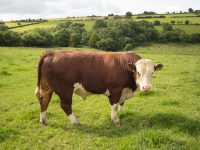
In addition to their focus on product quality and customization, Crecora Mills also prioritizes sustainability. They strive to minimize their carbon footprint and promote sustainable practices throughout their manufacturing processes. By using locally sourced ingredients and implementing eco-friendly initiatives, they demonstrate their commitment to the environment and support sustainable agriculture practices.

Overall, Crecora Mills’ commitment to research, quality control, customization, and sustainability makes them leaders in animal feed technology. Their continuous efforts to improve and deliver the best products sets them apart from others in the industry and makes them a trusted partner for farmers and animal owners worldwide.

Categories
News

Crecora Mills Beef Finisher

You should consider buying Crecora Mills Beef finisher animal feed for the following reasons:
High-Quality Ingredients: Crecora Mills Beef finisher animal feed is made with premium ingredients that are carefully selected to provide your animals with the essential nutrients they need for optimal growth and development. The feed is formulated to meet the specific nutritional requirements of beef cattle during the finishing phase.
Balanced Nutrition: The feed provides a balanced and complete diet, ensuring that your animals receive all the necessary proteins, vitamins, minerals, and energy they need. This helps promote healthy weight gain, muscle development, and overall well-being.
Enhanced Animal Performance: Crecora Mills Beef finisher animal feed is designed to promote efficient feed conversion, meaning your animals can convert feed into weight gain more efficiently. This can result in improved animal performance, increased average daily gain, and ultimately higher profitability for your operation.
Traceability and Quality Assurance: Crecora Mills is committed to traceability and quality assurance. They have strict quality control measures in place to ensure that their animal feed is safe, consistent, and of the highest quality. This provides you with peace of mind knowing that you are feeding your animals a reliable and safe product.
Expertise and Support: Crecora Mills has extensive knowledge and experience in finishing beef cattle. Crecora mills Founder John O’Connell has been running a successful beef finishing enterprise all his life. Their team of experts is available to provide guidance and support to help you optimize your animals’ nutrition and maximize their performance.
Sustainable and Environmentally Friendly: Crecora Mills is committed to sustainability and environmental responsibility. They use quality ingredients that are sourced locally whenever possible, reducing transportation emissions and supporting local farmers. Additionally, their feed production processes are designed to minimize waste and optimize resource efficiency.
Overall, choosing Crecora Mills Beef finisher animal feed can help you ensure the health and productivity of your beef cattle while supporting sustainable and responsible farming practices.

Crecora Mills
Privacy Overview

This website uses cookies so that we can provide you with the best user experience possible. Cookie information is stored in your browser and performs functions such as recognising you when you return to our website and helping our team to understand which sections of the website you find most interesting and useful.