Common Beef Animal Health Issues
At Crecora Mills, we see time and again that poor beef performance is rarely down to one single issue.
It’s usually a combination of parasites, nutrition, rumen health, and management.
Identifying and addressing these problems early can make the difference between cattle that thrive and cattle that merely survive.
Parasites & External Challenges
The most common parasite-related issues affecting beef cattle include:
-
Lungworm
-
Liver fluke
-
Rumen fluke
-
Lice and ticks
These parasites steal energy, suppress appetite, and significantly reduce feed efficiency.
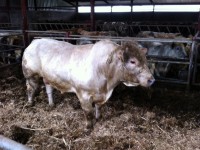
For example, it’s estimated that a bull with a heavy lice burden can burn the equivalent of 1 kg of concentrate per day just fighting the infestation.
Fluke in Modern Grass-Based Systems
Lungworm, liver fluke, and rumen fluke are becoming increasingly prevalent in Irish grass-based beef systems.
Fluke infestations can cause:
-
Poor thrive
-
Weight loss
-
Reduced feed conversion
-
Delayed finishing
A structured dosing programme is essential.
⚠️ Important:
When dosing for rumen fluke, treatments only kill adult fluke. Eggs already present will hatch.
👉 A second dose 3–4 weeks later is critical.
Without it, infestations quickly re-establish.
Best Practice
-
Have a clear dosing plan and stick to it
-
Work with your vet on correct timing and product choice
-
Quarantine and dose bought-in cattle
-
Accept that parasites can’t be eliminated — only controlled
Rumen Upset & Acidosis
The rumen is effectively a 50-gallon fermentation vat, designed to break down fibrous feeds like grass and silage using billions of beneficial microbes.
These microbes need:
-
Stable intake
-
Consistent feeding times
-
A near-neutral rumen pH
What Causes Rumen Upset?
-
Rapid introduction of high-starch feeds
-
Ad-lib cereal diets
-
Sudden turnout to lush, leafy grass
-
Inconsistent feeding of straights
Rapidly fermentable feeds (e.g. barley, crimped grain) cause rumen pH to drop.
When this happens:
-
Beneficial microbes die
-
Feed efficiency collapses
-
Performance drops sharply
In severe cases, acidosis can be fatal.
Practical Prevention
-
Make all diet changes gradually over weeks, not days
-
If feeding straights, be exact with levels and consistency
-
Always provide access to clean, fresh water
-
Ensure a fibre source such as straw is available
When we formulate Crecora Mills feeds, we deliberately balance:
-
Fast-release energy (barley)
-
Slower-release energy (maize)
-
Digestible fibre (soya hulls, beet pulp)
We also include rumen buffers and yeast to stabilise digestion and reduce the risk of upset.
Housing, Hygiene & Water
Housing and hygiene are often underestimated, yet they have a huge impact on beef performance.
Overcrowding
Overcrowding is extremely common and leads to:
-
Reduced feed access
-
Increased standing time
-
Lower intake
-
Reduced thrive
Even slight pressure on space can knock daily liveweight gain.
Hygiene
Dirty sheds allow disease pressure to build over time.
Regular cleaning:
-
Reduces disease risk
-
Protects animal health
-
Extends the life of gates, barriers, and steelwork
A simple wash-down with water, followed by brushing and power washing, can dramatically improve shed conditions.
Water Access & Quality
Water is one of the most overlooked performance limiters.
Beef cattle require large volumes of water to:
-
Digest forage
-
Maintain rumen function
-
Prevent acidosis
Poor access or dirty water will:
-
Depress intake
-
Reduce performance
-
Mask underlying nutritional issues
A simple rule:
If you wouldn’t drink it, don’t expect cattle to.
Other Key Beef Health Issues Worth Thinking About
🔹 Mineral Deficiencies
-
Copper, selenium, iodine deficiencies
-
Reduced growth, immunity, and fertility
-
Often hidden but hugely costly
🔹 Pneumonia / Respiratory Disease
-
Especially in housed or bought-in cattle
-
Linked to ventilation, stress, and mixing groups
🔹 Trace Element Imbalances
-
Over-supplementation can be as harmful as deficiencies
-
Balanced minerals are critical
🔹 Stress from Handling & Mixing
-
Mixing unfamiliar cattle
-
Transport stress
-
Sudden diet changes
Stress reduces intake and feed efficiency immediately.
Our Commitment to Customers
At Crecora Mills, we don’t just sell feed — we help farmers identify what’s holding cattle back.
Our advisory team can help with:
-
Diet formulation
-
Parasite and nutrition interaction
-
Rumen health strategies
-
Improving thrive and finishing performance
From our beginnings as a farm-based operation in 1986 to operating across Crecora, Castlemahon, and Listowel, our focus remains the same:
practical advice, honest conversations, and better animal performance.
📞 Contact us to speak with one of our ruminant advisory team.
Crecora Mills – We only mix with the best.