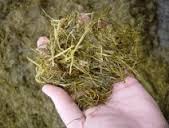
Low DMD Silage: The Hidden Cost in Beef Systems
Silage quality is one of the biggest drivers of beef performance during the winter period. Yet every year, many beef farms are trying to push cattle forward on silage that simply cannot support growth on Low DMD silage.
Low DMD silage quietly reduces thrive, increases meal requirements, and delays finishing — often without farmers fully realising the scale of the impact.
What Does DMD Actually Mean?
DMD stands for Dry Matter Digestibility. It measures how much of the silage an animal can actually digest and convert into energy.
Higher DMD silage means:
-
Higher energy intake
-
Better daily liveweight gain
-
Lower concentrate requirement
Lower DMD silage means cattle fill their stomachs but don’t get the energy they need.
Typical figures seen on Irish beef farms:
| Silage DMD | Performance Potential |
|---|---|
| 72–75% | Excellent growth |
| 68–71% | Moderate performance |
| 64–67% | Poor thrive without meal |
| Below 64% | Maintenance feed only |
Many finishing problems start with silage in the mid-60s or lower.
The Real Cost of Low DMD Silage
Poor silage doesn’t always look bad in the pit. Cattle will still eat it, but the energy value is much lower.
The consequences include:
-
Slower daily liveweight gain
-
Higher concentrate feeding costs
-
Longer finishing periods
-
Reduced feed efficiency
For example, cattle on 64 DMD silage may require 2–3 kg more ration per day compared with cattle on high-quality silage just to achieve the same performance.
Across a winter, that adds up quickly.
Signs Your Silage Is Holding Cattle Back
Common warning signs include:
-
Cattle eating large volumes but not thriving
-
Loose or inconsistent dung
-
Increased meal levels with little improvement in growth
-
Finishing cattle taking longer than expected to reach target weight
In many cases, the ration gets blamed — but the real issue is the forage base.
Managing Low DMD Silage
If silage quality is already poor, the focus shifts to managing around it.
Practical steps include:
-
Testing silage to understand its true feed value
-
Increasing concentrate levels strategically
-
Ensuring rations supply enough protein and energy
-
Splitting feeding across the day where possible
Balanced concentrates become even more important when silage quality drops.
At Crecora Mills, rations are formulated to complement forage and help maintain performance when silage quality varies between farms.
The aim is to close the nutritional gap created by lower digestibility forage.
Planning for Next Season
The best solution to low DMD silage is prevention.
Higher digestibility silage comes from:
-
Earlier cutting dates
-
Correct fertiliser management
-
Good wilting conditions
-
Tight pit management
Each extra point of DMD can significantly improve winter performance and reduce meal costs.
The Take-Home Message
Silage is the foundation of winter beef diets.
If the foundation is weak, everything built on top of it becomes more expensive.
Know your silage quality, feed accordingly, and plan ahead to produce higher digestibility forage next season.